
NEWS
Professional attitude and strict quality control
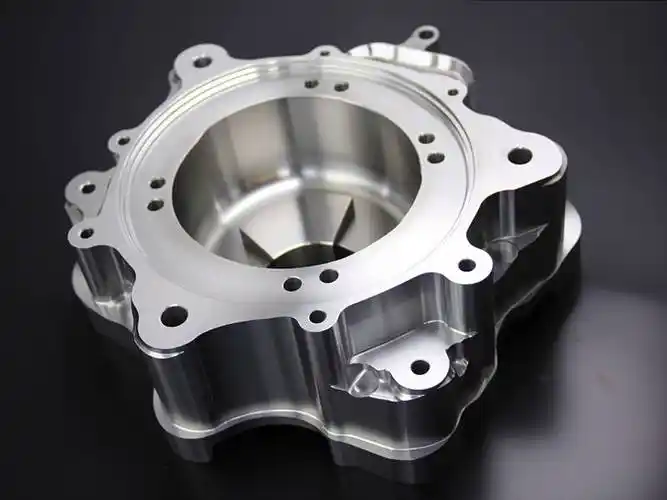
Metal structure parts machining services refer to the process of manufacturing parts of specific shapes and sizes from raw metal materials using specialized equipment and techniques. This type of service plays a fundamental role in industrial production and involves various processes and material types. The following sections systematically introduce the content of this service from several aspects.
The selection of metal materials is the first step in the machining process. Common metal materials include carbon steel, stainless steel, aluminum alloys, and copper alloys. Different materials have different physical and chemical properties, requiring selection based on the operating environment of the parts. For example, parts used in humid environments may require stainless steel with better corrosion resistance, while aluminum alloys may be preferred for applications with strict weight requirements.
The diversity of machining processes is a significant characteristic of metal structure parts machining. Currently, the mainstream machining methods include three main categories: cutting, forming, and joining. Cutting removes excess material to obtain the desired shape; common methods include turning, milling, and drilling. Forming changes the shape of the material through plastic deformation, including stamping, bending, and stretching. Joining is mainly used to assemble multiple parts together; welding, riveting, and threaded connections are typical examples.
Controlling machining accuracy is a crucial indicator of service quality. Accuracy typically includes three aspects: dimensional accuracy, shape accuracy, and positional accuracy. Dimensional accuracy refers to the degree to which the actual dimensions of a part conform to the design dimensions; shape accuracy focuses on the geometric features of the part's surface; and positional accuracy indicates the relative positional relationships between different features. During machining, factors such as temperature changes, equipment vibration, and tool wear can all affect the final accuracy, thus requiring corresponding control measures.
Surface treatment processes play a vital role in the machining of metal structural parts. After machining, the surface of parts often requires further treatment to improve their performance. Common surface treatment methods include rust prevention, hardening, and decorative treatment. Rust prevention forms a protective layer on the part's surface through electroplating, spraying, etc.; hardening utilizes heat treatment or surface strengthening techniques to improve the part's wear resistance; and decorative treatment primarily improves the part's appearance.
A quality control system is a key link in ensuring the quality of part machining. Complete quality control should cover the entire process from raw material warehousing to finished product delivery. Raw material inspection ensures that material properties meet requirements, in-process inspection monitors the quality status of each machining step, and final inspection performs excellent performance testing on the finished product. Commonly used inspection methods include dimensional measurement, non-destructive testing, and mechanical property testing.
In actual machining processes, various technical problems are frequently encountered. For example, how to select appropriate machining parameters? This requires comprehensive consideration of factors such as material properties, part structure, and machining requirements. The selection of cutting speed, feed rate, and depth of cut directly affects machining efficiency and surface quality. Another example is how to control machining deformation. Thin-walled parts are prone to deformation during machining, requiring methods such as optimizing clamping methods, improving toolpaths, and using segmented machining to address this.
Understanding the composition of machining costs is also crucial. Costs mainly include material costs, machining time costs, equipment depreciation costs, and auxiliary material costs. Material costs are related to part volume and material unit price; machining time costs depend on machining difficulty and efficiency; equipment depreciation costs are related to equipment value and utilization rate; and auxiliary material costs include the cost of consumables such as cutting tools and lubricants. Optimizing the process can improve material utilization and shorten machining time, thereby effectively controlling overall costs.
Environmental protection requirements are receiving increasing attention in modern machining services. Waste liquids, gases, and solid waste generated during processing all require specialized treatment. Environmentally friendly products should be prioritized for coolants and lubricants, metal chips should be recyclable, and noise and vibration must be controlled within specified limits. These measures not only meet environmental requirements but also help improve the working environment.
Metal structural parts processing services are a core part of the manufacturing industry. From material selection (carbon steel to aluminum alloys) to precision processes such as turning and welding, every step determines the performance and lifespan of the parts. Quality control is crucial throughout the entire process, while digitalization and automation are driving the industry towards a more efficient and environmentally friendly future.
In terms of future development trends, digitalization and automation are important directions for the development of metal structural parts processing. The application of computer-aided design and manufacturing technologies makes the processing process more precise and efficient. Automated equipment can reduce the impact of human factors and improve production stability. The emergence of new materials and advancements in process technology will also drive the continuous improvement of processing service levels.
As an important component of the manufacturing industry, the technical content and service quality of metal structural parts processing services directly affect the performance of the final product. Understanding these fundamentals helps in better selecting and using related services and lays the foundation for further learning of more specialized processing technologies. With continuous technological advancements, this service will continue to provide higher-quality parts manufacturing solutions for various industries.
Search
Categories List
Need More Details?
Contact me for details on creating and managing design projects, project features, and services and prices
Send Message
Please fill the form correctly to send us your requirement. We respond to all enquiries within 4 business hours.