
NEWS
Professional attitude and strict quality control
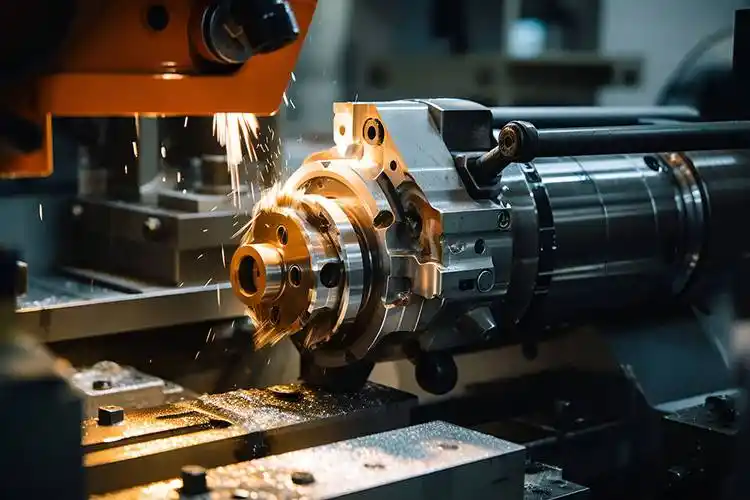
On the stage of modern manufacturing, CNC machining technology is like a master craftsman, endowing various metal materials with new forms and missions through its precision, efficiency, and flexibility.
From precision aerospace components to the casings of everyday electronic products, the combination of CNC machining and different metal materials is weaving a magnificent tapestry of industrial and technological integration. Today, let's embark on this wondrous journey of metal and CNC machining, delving into the unique performance and wide applications of different metal materials in CNC machining.
I. Metal Materials in CNC Machining: Unlocking the Treasure Trove of Industrial Manufacturing
In the treasure trove of industrial manufacturing, metal materials are like shining jewels, diverse in type and each with its own characteristics. CNC machining technology is the magical key to unlocking this treasure trove. It can select the most suitable metal material according to different processing needs, transforming raw metal materials into high-precision, high-performance industrial products through precise cutting, carving, drilling, and other processes. From the high-temperature resistant titanium alloy blades in aero engines to the lightweight and robust aluminum alloy casings in electronic devices, the perfect combination of CNC machining and metal materials is supporting the efficient operation of the entire modern industrial system.
II. Aluminum Alloys: A Perfect Balance of Lightness and Strength
Aluminum alloys, as a star material in CNC machining, shine brightly in the industrial manufacturing field due to their low density (approximately 2.7 g/cm³) and high strength (tensile strength can reach 300-600 MPa). It is one of the most widely used metals in CNC machining, with a density only 1/3 that of steel, combining lightweight and high strength characteristics, making it particularly suitable for aerospace, automotive, and consumer electronics fields.
1. Core Advantages
(1) High Specific Strength: Aluminum alloys, formed by adding elements such as magnesium and silicon (e.g., 6061, 7075), have strength close to that of steel but are lighter, making them an ideal choice for aircraft frames and automotive parts.
(2) Excellent Machinability: Aluminum is soft in texture, has low cutting resistance, allows for high-speed machining, and has low tool wear. For example, using carbide cutting tools and a 45-degree helix angle design can significantly improve machining efficiency.
(3) Corrosion Resistance and Recyclability: Through anodizing, the corrosion resistance of aluminum is further enhanced, while its recyclability aligns with the trend of green manufacturing.
2. Machining Challenges
(1) Chip Adhesion: Aluminum chips easily adhere to the cutting tool, requiring optimization of cutting parameters (such as increasing the rotational speed) or the use of coated tools (such as diamond-like carbon coatings) to reduce adhesion.
(2) Heat Dissipation Management: The high thermal conductivity of aluminum can lead to localized overheating, requiring the use of coolant or air-cooling systems to control the temperature and avoid thermal deformation.
3. Typical Applications
In the aerospace field, aluminum alloys are commonly used to manufacture key structural components such as aircraft wings and fuselage frames. Their lightweight properties help reduce aircraft weight, improve fuel efficiency, and ensure structural strength. In automobile manufacturing, aluminum alloys are widely used in engine blocks, wheel hubs, and other components, improving vehicle handling performance and achieving energy conservation and emission reduction. Furthermore, in the 3C electronics industry, aluminum alloy casings are the preferred material for smartphones, tablets, and other products due to their aesthetic appeal, thinness, and excellent heat dissipation.
III. Steel: The Resilient and Reliable Backbone of Industry
Steel, with its exceptional strength (tensile strength can reach over 2000 MPa) and good toughness, is an indispensable basic material in industrial manufacturing. Known for its high strength and durability, stainless steel achieves corrosion resistance through the addition of elements such as chromium and nickel, and is widely used in machinery, chemical, and medical fields.
1. Machining Characteristics of Ordinary Steel
(1) High Strength but Difficult to Machin: High-carbon steel (such as 45# steel) has high hardness, requiring the use of special cutting tools (such as coated carbide or ceramic tools) and a reduced feed rate to avoid tool breakage.
(2) Cost and Efficiency Trade-off: Long processing time and high tool wear, suitable for small batches of high-precision parts.
2. Unique Advantages of Stainless Steel
(1) Corrosion Resistance: For example, 304 stainless steel contains 18% chromium, allowing for long-term use in humid environments; super austenitic stainless steel (such as 00Cr25Ni6Mo3Cu2N) is more resistant to high chloride ion environments and is suitable for seawater desalination equipment.
(2) Diverse Surface Treatments: After CNC machining, steel can be polished, electroplated, or passivated to meet the high cleanliness requirements of medical equipment.
3. Typical Applications
In the machinery manufacturing industry, steel is used to process various machine tool parts, molds, shaft parts, etc. Its high precision and rigidity ensure the stable operation and long service life of mechanical equipment. In the construction industry, CNC-machined steel structural components (such as steel beams and columns) have advantages such as precise dimensions and reliable connections, effectively improving the construction quality and safety of buildings. In medical device manufacturing, CNC-machined stainless steel parts can be used to manufacture surgical instruments, implantable medical devices, etc., and their good corrosion resistance and biocompatibility meet the stringent requirements of the medical field.
IV. Copper Alloys: Exemplary in Excellent Electrical Conductivity and Wear Resistance
Copper alloys are mainly composed of copper and other elements (such as zinc, tin, lead, etc.), possessing excellent electrical and thermal conductivity and corrosion resistance. Among them, brass (copper-zinc alloy) is widely used in CNC machining due to its good mechanical and machinability. Copper and copper alloys (such as brass and bronze) occupy an important position in electronics and mold manufacturing due to their excellent electrical conductivity and wear resistance.
1. Core Characteristics
(1) Electrical and Thermal Conductivity: Pure copper has the second highest electrical conductivity after silver, and is widely used in EDM electrodes and heat dissipation components.
(2) Wear Resistance and Corrosion Resistance: Bronze contains tin, making it suitable for manufacturing wear-resistant parts such as bearings and gears.
2. Machining Precautions
(1) Chip Sticking Problem: The high plasticity of copper easily leads to chip entanglement; multi-groove tools and increased cutting fluid concentration are required.
(2) Surface Finish: Low feed rate and high speed during finishing, combined with diamond-coated tools, can reduce burrs.
3. Typical Applications
In the field of electrical engineering, CNC-machined copper alloy terminals, busbars, and other components ensure the reliability and stability of electrical connections, meeting the requirements of high-current transmission. In mechanical manufacturing, copper alloy bearings, gears, and other components utilize their excellent wear resistance and fatigue resistance to effectively extend the service life of mechanical transmission systems.
V. Titanium Alloys: A Darling of the Aerospace Industry
Titanium alloys are renowned for their astonishing strength (tensile strength up to 900-1800 MPa) and ultra-low density (approximately 4.5 g/cm³), while also possessing excellent corrosion resistance (remaining stable even under harsh conditions such as seawater and acidic environments), good heat resistance (allowing for long-term operation at high temperatures), and unique properties such as biocompatibility. These superior characteristics make titanium alloys an indispensable key material in high-end manufacturing fields such as aerospace.
1. Performance Highlights
(1) King of Specific Strength: Titanium alloys have strength comparable to steel but are 40% lighter, making them the preferred material for rocket engine casings and satellite supports. (2) Resistance to extreme environments: It maintains stable performance even in high-temperature environments (500℃) or highly corrosive media.
2. Machining Challenges and Countermeasures
(1) Rapid tool wear: Titanium's low thermal conductivity leads to concentrated cutting heat, requiring the use of high-cobalt-content cemented carbide tools and strict control of cutting parameters (low feed rate, high speed).
(2) Risk of elastic deformation: Thin-walled parts are prone to deformation due to cutting forces, requiring reinforcement through fixtures (such as negative pressure adsorption) and layered machining strategies to reduce stress.
3. Typical Applications
In the aerospace field, titanium alloys are widely used in key components such as aircraft engine parts (e.g., blades, disks, shafts), fuselage structural parts (e.g., wing spars, ribs), and landing gear of spacecraft. Their lightweight and high-strength characteristics help improve aircraft performance and fuel efficiency while ensuring structural safety. In the medical device field, implantable medical devices such as artificial joints and dental implants made from titanium alloys, due to their good biocompatibility and corrosion resistance, can maintain stable long-term contact with human tissue, bringing health benefits to patients.
VI. Magnesium Alloys: The Rise of Ultralight Materials
Magnesium alloys are among the lightest metallic structural materials currently available, with a density of only 1.7-2.0 g/cm³, approximately two-thirds that of aluminum alloys and one-quarter that of steel. They possess not only excellent specific strength and specific stiffness but also superior damping and electromagnetic shielding properties, offering significant advantages in reducing product weight and improving performance. However, magnesium alloys have poor corrosion resistance and are prone to oxidation and corrosion in natural environments, requiring surface treatments (such as anodizing and protective coatings) to improve their corrosion resistance.
1. Processing Technology and Applications
When CNC machining magnesium alloys, due to their softness, the cutting force is relatively low, but the cutting speed is high, easily generating cutting heat. In the 3C electronics field, magnesium alloy casings, due to their thinness, aesthetics, and good heat dissipation, have become an ideal choice for laptops, mobile phones, and other products, effectively reducing product weight and improving user portability and experience. In automobile manufacturing, CNC-machined magnesium alloy car seat frames, steering wheels, and other components contribute to vehicle weight reduction, lower fuel consumption and emissions, while simultaneously improving handling and comfort.
2. Material Selection Recommendations
When selecting magnesium alloys for CNC machining, their corrosion resistance and processing safety should be fully considered. For applications requiring high corrosion resistance, appropriate surface treatment measures are necessary. Furthermore, strict adherence to safety operating procedures and adequate ventilation and fire prevention equipment are crucial to ensure a safe and reliable production process.
VII. Conclusion: A Symphony of Metal and CNC, A Magnificent Chapter in Manufacturing
The remarkable encounter between CNC machining and various metal materials resembles a meticulously choreographed industrial concerto, playing a magnificent symphony of efficiency, precision, and innovation on the vast stage of modern manufacturing. From lightweight and tough aluminum alloys to durable and reliable steel, from highly conductive copper alloys to high-end titanium and magnesium alloys, every metal material shines with unique brilliance under the sculpting of CNC machining, contributing an indispensable force to human technological development and the improvement of life.
Search
Categories List
Need More Details?
Contact me for details on creating and managing design projects, project features, and services and prices
Send Message
Please fill the form correctly to send us your requirement. We respond to all enquiries within 4 business hours.