
NEWS
Professional attitude and strict quality control
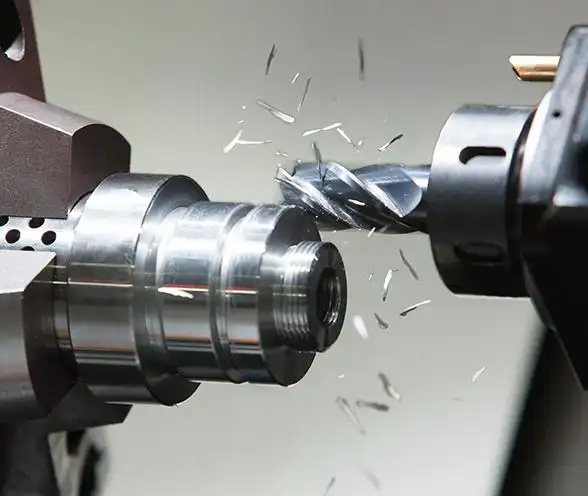
In modern manufacturing, CNC machining has become a key technology in many industries due to its high precision and efficiency. Tolerance, as an important indicator of machining accuracy, directly affects the assembly quality and performance of parts. So, what are the achievable tolerances in CNC machining? This is a complex question involving many factors.
CNC machining tolerances can typically reach ±0.05 mm, and high-precision machine tools can even achieve ±0.0125 mm. Machine tools, cutting tools, materials, and processes all determine accuracy; scientifically controlling these elements is essential to achieving a balance between quality and cost-effectiveness.
I. Overview of CNC Machining Tolerance Ranges
CNC machining has strong tolerance control capabilities, typically achieving levels of ±0.025 mm to ±0.125 mm. For general metal parts, conventional machining can achieve tolerances of approximately ±0.05 mm; while for plastic parts, due to material characteristics, the tolerance may be slightly wider. On high-precision machine tools, by optimizing processes and cutting tools, some processes can even achieve precision tolerances within ±0.0125 mm. It should be noted that these values are not fixed but are influenced by a combination of factors.
II. Main Factors Affecting Tolerance
First, the accuracy of the machine tool is fundamental. High-quality CNC equipment has better rigidity and stability, which helps to reduce machining errors. Second, the selection and use of cutting tools are crucial. Tool wear, edge quality, and cutting parameter settings will all directly affect the machining dimensions. Furthermore, the material characteristics of the workpiece should not be overlooked. Different materials have varying abilities to withstand cutting forces and thermal deformation during processing; for example, aluminum alloys are generally easier to control tolerances than stainless steel.
III. Influence of Process Design on Tolerance
Reasonable process design is a key aspect of ensuring tolerance. Machining path planning, cutting sequence arrangement, and fixture design all affect the final dimensional accuracy. Experience shows that multi-stage processing with roughing and finishing operations is beneficial for stress relief and deformation control, thereby improving tolerance maintenance capabilities. Simultaneously, the use of coolants and optimization of cutting parameters can effectively reduce the impact of thermal deformation on accuracy.
IV. Measurement and Quality Control
Accurate measurement is an important means of ensuring tolerance achievement. Modern CNC workshops are typically equipped with a variety of inspection equipment, from conventional calipers to coordinate measuring machines, establishing a comprehensive quality control system. It's important to note that the tolerances specified in the drawings should match the measurement methods used; excessively high precision requirements may necessitate special inspection procedures.
Summary
Tolerance control in CNC machining is a systems engineering process involving multiple factors such as equipment, tools, materials, and processes. Under conventional machining conditions, a tolerance of ±0.05 mm is a common level, and higher precision can be achieved through technical optimization. In practical applications, a scientifically sound and reasonable tolerance range should be determined based on part functional requirements, material characteristics, and production costs, ensuring product quality while considering machining economics. Understanding these elements helps to better leverage the technical advantages of CNC machining.
Search
Categories List
Need More Details?
Contact me for details on creating and managing design projects, project features, and services and prices
Send Message
Please fill the form correctly to send us your requirement. We respond to all enquiries within 4 business hours.