
NEWS
Professional attitude and strict quality control
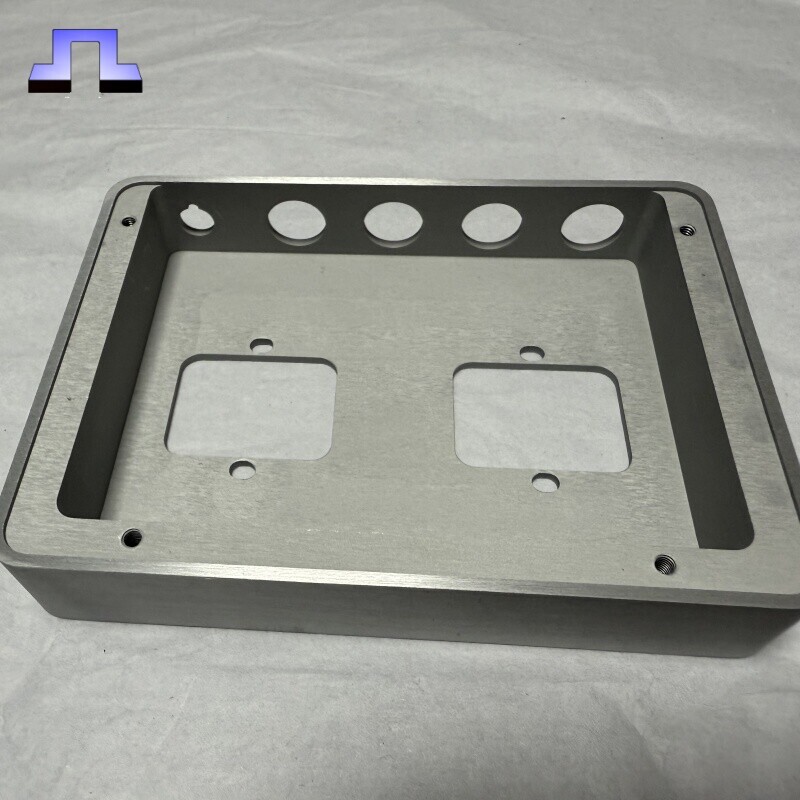
There are many surface treatment methods for aluminum profiles, most of which aim to improve their performance and aesthetics. Indeed, these surface treatments bring these improvements. Next, we will explain three surface treatment methods for aluminum profiles.
1. Electrophoretic Coating
What is electrophoretic coating? Electrophoretic coating involves dissolving the coating material in water, causing electrolysis to generate charged particles. Under the influence of an external electric field, these charged particles move towards the opposite pole and deposit on the surface of the aluminum profile, forming a dense and uniform film. This is called electrophoretic coating.
Electrophoretic coating is a relatively environmentally friendly surface treatment method. It uses fewer solvents, employs water as the dispersing medium, and the coating can be recycled, reducing its environmental impact and minimizing the risk of fire. Furthermore, the coating material has penetrability, allowing for comprehensive coverage of edges and gaps, resulting in more thorough corrosion resistance and a more aesthetically pleasing appearance.
2. Next is powder coating
Powder coating involves placing powder coating material into a spray gun. Under the action of compressed air, high-voltage electrostatic force causes the powder particles to adhere to the surface of the aluminum profile. It is also called electrostatic powder coating. To make the aluminum profile surface more resistant to chemical media, the resin molecular weight of powder coating is larger than that of solution-based coatings.
One coat of powder coating creates a 50-300μm coating layer on the surface of the aluminum profile. It's important to note that it avoids the dripping and pinhole defects that occur with solution-based coatings, and the coating is thicker. However, the surface quality and pretreatment quality are not as stringent as with electrophoretic coating.
3. Finally, there is anodizing
Under appropriate electrolyte and specific process conditions, an oxide film is formed on the aluminum product (anodide) under the influence of an applied current. Anodizing can form a porous oxide film with a hardness of up to 500HV. The porous structure allows the aluminum profile to more easily absorb pigments, lubricants, and other materials, making the aluminum profile more wear-resistant, corrosion-resistant, and aesthetically pleasing.
Anodized aluminum profiles also possess insulation properties and high-temperature resistance, withstanding breakdown voltages greater than 30V/μm and temperatures up to 1500℃. Anodized aluminum profiles are used in many electronic devices, furniture, and construction applications due to their suitable performance characteristics.
These are three surface treatment methods for aluminum profiles: electrophoretic coating, powder coating, and anodizing. What did you learn from this? Which treatment method do you prefer?
Search
Categories List
Need More Details?
Contact me for details on creating and managing design projects, project features, and services and prices
Send Message
Please fill the form correctly to send us your requirement. We respond to all enquiries within 4 business hours.