
NEWS
Professional attitude and strict quality control
1. The Key Role of Aluminum Rod Extrusion
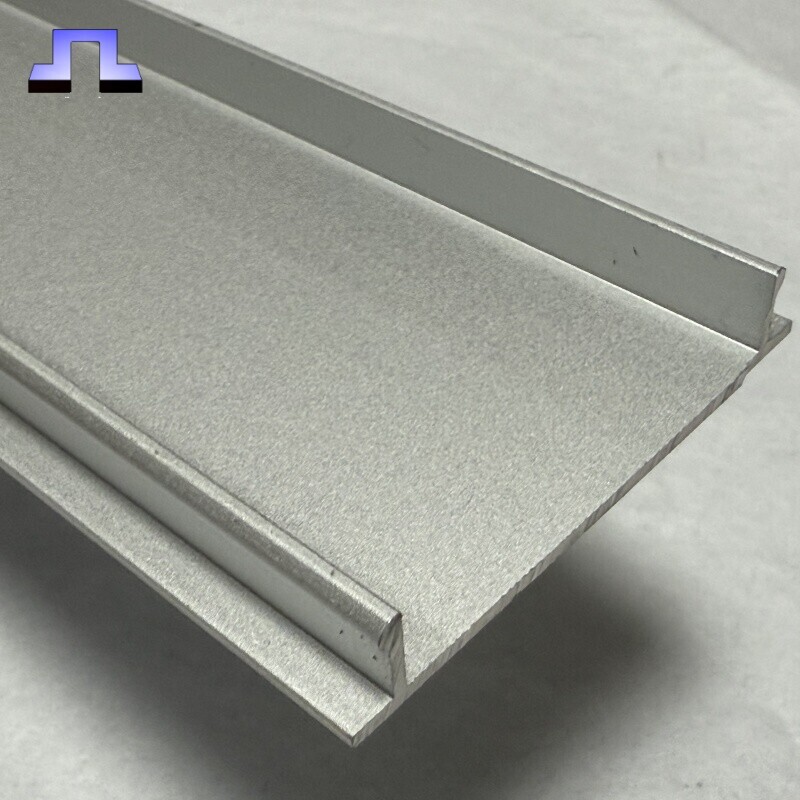
Aluminum profiles are widely used in various fields such as construction, decoration, and structure. Aluminum rod extrusion technology, by applying pressure, precisely shapes aluminum alloys and is a key process in the standardized production of architectural aluminum profiles. The extrusion process plays a crucial role in its production.
To meet the demands of standardized and mass production of architectural aluminum profiles, aluminum rod extrusion technology has been widely adopted. By applying pressure to an aluminum rod inside the extrusion cylinder, the aluminum alloy flows precisely from carefully designed die holes, thus forming aluminum profiles of the required shape and size.
This aluminum rod extrusion processing method has advantages such as low cost, high production efficiency, and simple operation, occupying a crucial position in modern industrial production systems. The aluminum profile extrusion production process follows a specific process flow, including steps such as aluminum rod laying, heating, heat preservation, die preheating, die installation, extrusion, traction, straightening, aging treatment, and furnace cooling. These steps are interconnected and together constitute the complete process of aluminum profile extrusion production.
2. Raw Material Selection and Preliminary Processing
After calculating the required composition ratio of the aluminum profiles, we carefully select and prepare various raw materials. In aluminum profile production, suitable aluminum ingots are selected and alloying elements are added for melting and refining to ensure that the cast aluminum rods meet the expected diameter and specifications, which is the foundation for subsequent extrusion. Next, the aluminum ingots are heated to an appropriate temperature for melting, and specific amounts of alloying elements, such as magnesium and silicon (these elements are commonly used in system door and window product lines), are added to the molten aluminum. Subsequently, a refining process removes impurities and waste gases from the melt. Under the premise of ensuring the casting process is qualified, the refined aluminum liquid is poured into a casting machine, cooled and solidified, and cast into round cast rods with the expected diameter and specifications. Next, the crucial step of aluminum rod extrusion begins.
3. Extrusion Process Details
The aluminum rods are laid smoothly on the material rack, taking care to maintain appropriate spacing to ensure safe operating space and prevent the aluminum rods from rolling or falling during processing. After heating and preheating the die, the aluminum rod is shaped in the extruder, and a traction machine performs preliminary cutting; maintaining operational safety and precision is crucial. Subsequently, the aluminum rod and die are placed together in a furnace for heating. After reaching 480℃ and holding at that temperature for one hour, subsequent extrusion processing can begin. Next, the heated die is placed in the extruder's die holder, and the aluminum rod is fed into the extruder's feed inlet, ready for extrusion.
After extrusion, the profile smoothly exits from the discharge port. At this point, the traction machine pulls the profile head out and performs preliminary cutting according to the pre-set length.
4. Subsequent Processing and Cooling
Next, we move on to the third step—straightening. The straightness of the aluminum profiles formed by traction extrusion often does not directly meet the requirements of subsequent mechanical equipment. Therefore, during production, these profiles are sent to a specialized straightening table for fine straightening. After this step, they are transported to the finished product area for precise length cutting. After extrusion, aluminum profiles undergo straightening and aging treatments to improve their hardness and performance. Proper cooling ensures the product meets standards.
Next is the aging treatment stage. After heating to a certain temperature and holding for 2-3 hours, the mechanical properties of the aluminum alloy profiles, especially their hardness, are significantly improved. In this step, freshly cut aluminum profiles are loaded into a material frame and transported to the aging zone. Once inside the aging furnace, the profiles undergo manual aging. When the furnace temperature reaches 200℃, they are held for 2 hours before being removed from the furnace and then enter the cooling stage. This stage can be achieved through natural cooling or artificial cooling using a cold air blower.
5. Surface Treatment
After the extrusion process, the aluminum profiles have met the required appearance quality and dimensional accuracy. The next step is surface treatment. Surface treatment is the final and crucial step in aluminum profile production. Processes such as anodizing or fluorocarbon coating enhance the product's appearance and durability, meeting diverse needs. This step is critical because it directly affects the final appearance and performance of the aluminum profiles. Currently, commonly used surface treatment processes in the system window and door industry include anodizing, electrophoresis, ceramic coating, and fluorocarbon spraying. Companies can choose the appropriate process based on their actual needs.
Search
Categories List
Need More Details?
Contact me for details on creating and managing design projects, project features, and services and prices
Send Message
Please fill the form correctly to send us your requirement. We respond to all enquiries within 4 business hours.