
NEWS
Professional attitude and strict quality control
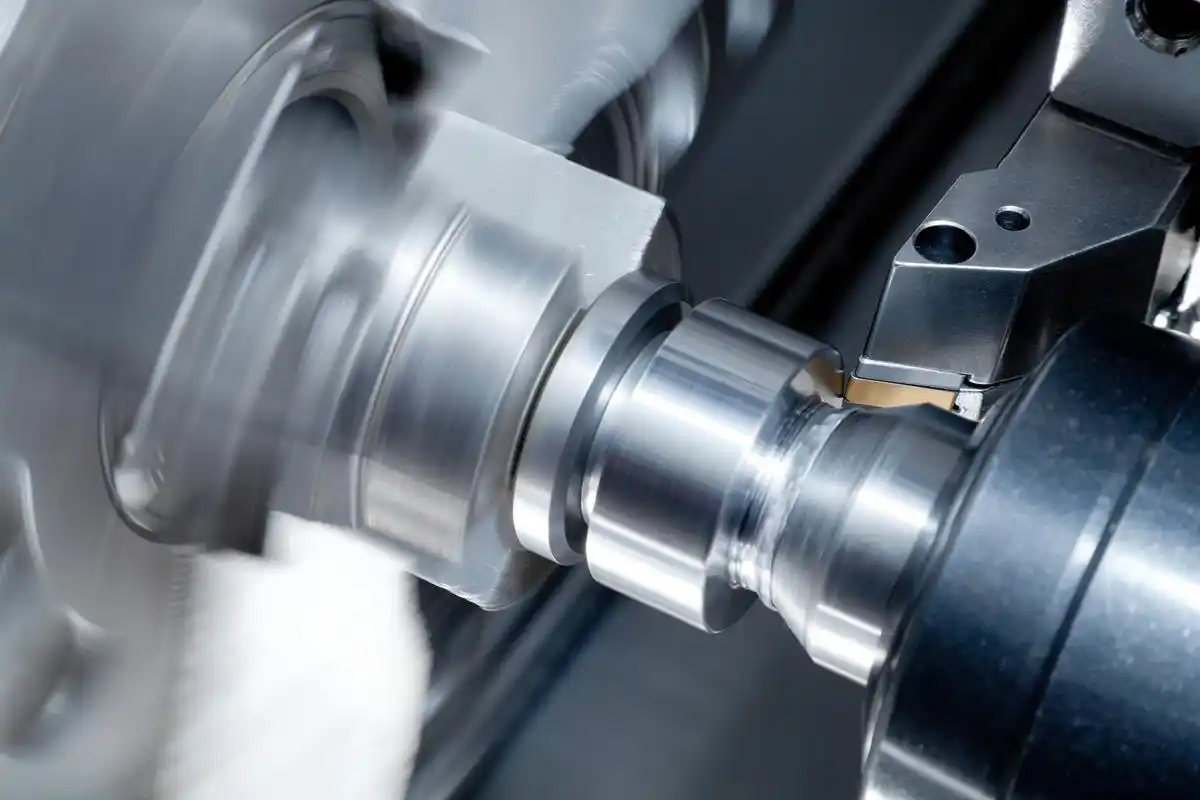
Depending on the shape of the part or product, metal stamping involves a variety of different processes, each distinct. These processes are used to achieve complex and intricate designs of parts and products in industries including aerospace, consumer products, automotive, aviation, electronics, food and beverage, and more. It's generally unlikely that a single metal stamping method will be used to manufacture a part, as each process involves creating a specific design.
Many stamping techniques involve processes such as extrusion, drawing, and ribbing. Each technique involves a combination of various processes to achieve the desired part. All of these methods are performed at room temperature, typically involving minimal or zero heat. Metal stamping is a typical cold forming manufacturing process, involving the use of several tools and equipment, such as stamping machinery (punch presses), dies, etc., to form complex shapes and appearances.
Therefore, we will discuss some of the most popular metal stamping processes used by manufacturers.
1. Punching
Punching is a common metal stamping process. A sheet of metal is fixed in one place, or more precisely, on a worktable. Using different tools and machines, a hole is formed in a metal sheet, creating a series of different hollow areas. Punching is slightly different because after punching, the perforated portion of the metal sheet is removed and no longer used.
To ensure the metal sheet does not deform, punching must be a continuous process. The area around the punch must be precisely designed. The machines used in this metal stamping process are made of high-carbon steel and must be thoroughly maintained to prevent passivation or dulling, which could potentially deform the shape of the metal sheet.
2. Blanking
There isn't much difference between blanking and punching – however, a major difference is that the perforated sheet is not discarded. The punched sheet is the final component. Many metal stamping companies typically perform blanking before doing other things on a project. After blanking, the manufacturer proceeds with other metal stamping stages, such as extrusion and bending.
Blanking essentially involves manufacturing sheet metal – usually on small or medium-sized metal sheets cut from larger pieces. This is a particularly advantageous process when it comes to high-volume manufacturing because it is easy and results in high-quality, precision-based cuts.
However, in some cases, the sheet metal may contain undesirable edges or burrs. This is a common problem; however, sharp edges and burrs can eventually be removed through several processes, such as hot deburring, manual deburring, and/or vibration methods.
3. Drawing Process
When it comes to metal stamping, some manufacturers also use a process called drawing. This method basically involves firmly securing the two ends of a sheet metal (opposite ends). The next step is to place the sheet metal on a die with a cross-sectional shape. Through a powerful stamping process, the die creates a punch that pushes the sheet metal onto the machine. This helps to develop the cross-sectional shape of the machine, allowing the sheet metal to deform sufficiently to meet the requirements.
The drawing process can also be divided into two other processes called deep drawing and shallow drawing. These are similar processes that achieve the desired depth on the sheet metal. For example, in a shallow drawing process, the radius of the main sheet metal will always correspond to the depth of drawing, meaning they will be equal.
On the other hand, deep drawing is essentially a cup-shaped cut on the sheet metal to form different products. In deep drawing, the total radius of the sheet metal is much smaller than the depth to be drawn.
4. Extrusion
Extrusion is a typical process used by manufacturers to create extruded shapes for products and parts in metal stamping. Extrusion involves a "closed die" manufacturing technique. In this case, the sheet metal is used as a whole or extruded into parts. This process involves two separate dies positioned gradually closer together at both ends of the sheet metal to form a coin shape.
One of the biggest advantages of extrusion is its effectiveness in manufacturing a wide variety of metal parts and products with varying tolerances. It is also a relatively straightforward technique that can quickly and reliably produce deformation (often permanent) on the product. This essentially makes the part or product highly resistant to deep physical wear and strong impacts.
5. Cutting
Cutting is completely different from blanking and punching methods. Well, cutting involves a unique metal stamping process that does not require removing any metal from the sheet metal. The press and die process are set to create a deep slit in the metal surface. The purpose of this is to avoid generating any metal scrap—for example, metal plugs that need to be disposed of or removed in post-processing stages.
One of the main reasons manufacturers use the tongue-cutting method is that this process allows for the creation of a wide variety of unique and custom designs and shapes using different types of metal. For example, it is often used to create parts and components needed for applications such as openings, vents, labels, etc.
6. Ribbing
Sheet metal ribbing is another unique technique used to design raised surfaces in specific areas of a sheet of metal. Ribbing can be created using two different methods—by a set of molds or by machine. The ribbing method is primarily used to create parts and components for a wide variety of different applications, depending on the complexity and form of the desired design. For example, some of the best examples of ribbed components include metal covers, engine hoods, engine housings, door frames, checkerboard-patterned steel sheets, and so on.
Ribing technology can be used on various metal surfaces; however, the most popular metal type used in this process is aluminum. This is mainly because this metal is very easy to machine. Furthermore, this material is durable and lightweight, two great characteristics that help make the ribbing process more efficient and effective.
Key Factors to Understand in Metal Stamping
Metal stamping technology is extremely useful when it comes to metal manufacturing. As such, each process is mentioned in terms of its technical complexity. For example, fast and straightforward processes, such as blanking or punching, are often referred to as the initial level of any project. These processes are then followed by other processes to form the finished product.
On the other hand, complex stamping procedures, such as deep drawing, tongue cutting, extrusion, and/or ribbing, are primarily used to create complex designs that do not require machining throughout their production cycle.
In conclusion, metal stamping is an extremely important, future-oriented process, essential to numerous industries. This process is used to manufacture everyday consumer products, as well as larger parts and components used to manufacture vehicles and other things.
Search
Categories List
Need More Details?
Contact me for details on creating and managing design projects, project features, and services and prices
Send Message
Please fill the form correctly to send us your requirement. We respond to all enquiries within 4 business hours.