
NEWS
Professional attitude and strict quality control
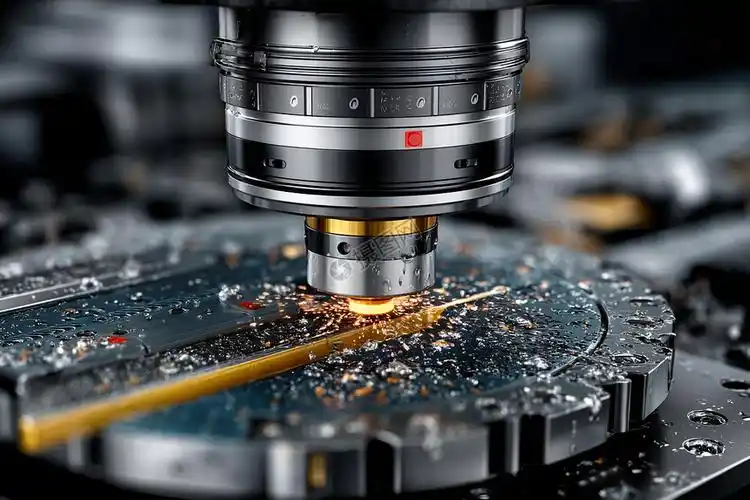
CNC machining is an automated machining technology controlled by computer programs, widely used in various industries, including machinery, aerospace, automotive, electronics, and shipbuilding. CNC machining can process a variety of materials. Here are some common materials:
1. Metallic Materials
Metallic materials are among the most commonly used materials in CNC machining. Common metallic materials include:
a. Aluminum: Aluminum is one of the most common metallic materials used in CNC machining. It is lightweight, high-strength, and has good thermal conductivity, making it suitable for manufacturing parts in aerospace, automotive, and other fields.
b. Steel: Steel has high strength and wear resistance, making it suitable for manufacturing high-requirement engineering applications such as mechanical parts and automotive parts.
c. Stainless Steel: Stainless steel alloys are unaffected by most stains and rust. They are favored for their strength and corrosion resistance and can be used for anything from surgical equipment to electronic hardware.
d. Copper: Copper has good electrical and thermal conductivity, making it suitable for electrical connectors and electronic products.
e. Titanium: Titanium's heat and corrosion resistance make it a viable choice for many industrial applications, such as medical implants, aircraft components, and jewelry.
f. Magnesium: Magnesium is the lightest structural metal widely used by precision machining service providers. Its excellent machinability, strength, and robustness make it ideal for applications in multiple industrial sectors.
g. Carbon Steel: Carbon steel is widely used in the manufacture of machine parts and tools due to its high strength and hardness, durability, safety, long shelf life, affordability, and environmental friendliness.
h. Brass: Brass is an alloy material with good electrical and thermal conductivity, frequently used in the manufacture of electrical connectors, instruments, and bathroom accessories.
i. Carbide: With its high hardness, strength, wear resistance, and corrosion resistance, carbide is known as the "teeth of industry" and is widely used as a cutting tool material, such as turning tools, milling cutters, planing tools, drill bits, and boring tools.
j. Nickel Alloys: Such as chromium-nickel-iron alloys, these are nickel-based high-temperature alloys that have gained popularity in recent years. They are suitable for environments that may be subject to water corrosion or oxidation, and also for applications where parts may be subjected to extreme pressure and heat.
2. Plastic Materials
Plastic materials are also common in CNC machining. Common plastic materials include:
a. Polypropylene (PP): Suitable for manufacturing containers such as cups, basins, and buckets.
b. Polyvinyl chloride (PVC): A common plastic material.
c. Polytetrafluoroethylene (PTFE): Possesses exceptional chemical stability.
d. Polyethylene (PE): A widely used plastic material.
e. ABS: Has good impact resistance and moldability, commonly used for appliance housings and automotive parts.
f. PC: Has high transparency and excellent high-temperature resistance, suitable for manufacturing optical components and high-temperature resistant parts.
g. PMMA: High transparency and good weather resistance, commonly used in lamps and decorative items.
3. Wood Materials
Wood is a traditional material with wide applications in CNC machining. Common wood materials include walnut, cherry, oak, and pine. Wood is characterized by its strength, good machinability, and environmental friendliness, making it suitable for manufacturing furniture, architectural decoration, and other applications.
4. Stone Materials
Stone materials are mainly used in CNC machining for carving, interior and exterior decoration, and other fields. Common stone materials include marble, granite, and artificial stone. Stone has high hardness, high temperature resistance, and is not easily worn, making it suitable for making sculptures, tombstones, and other products.
5. Composite Materials
Composite materials are composed of two or more materials and have advantages that single materials do not possess. Common composite materials include carbon fiber composites and glass fiber composites. Composite materials are lightweight, high-strength, and corrosion-resistant, making them suitable for manufacturing aerospace, automotive, and sporting goods.
6. Other Special Materials
In addition to the common materials mentioned above, CNC machining can also process special materials such as silicone, rubber, and ceramics.
a. Silicone: Features high temperature resistance and good weather resistance, suitable for manufacturing electronic products and seals.
b. Rubber: Features good elasticity and wear resistance, suitable for manufacturing seals and hoses.
c. Ceramics: Features good temperature resistance and good insulation, suitable for manufacturing high-temperature tools and electronic ceramics.
In summary, CNC machining can be used to process a variety of materials, each with its own characteristics and playing different roles in various engineering projects. Correctly selecting the appropriate material is crucial for the performance, precision, and durability of the parts
Search
Categories List
Need More Details?
Contact me for details on creating and managing design projects, project features, and services and prices
Send Message
Please fill the form correctly to send us your requirement. We respond to all enquiries within 4 business hours.