
NEWS
Professional attitude and strict quality control
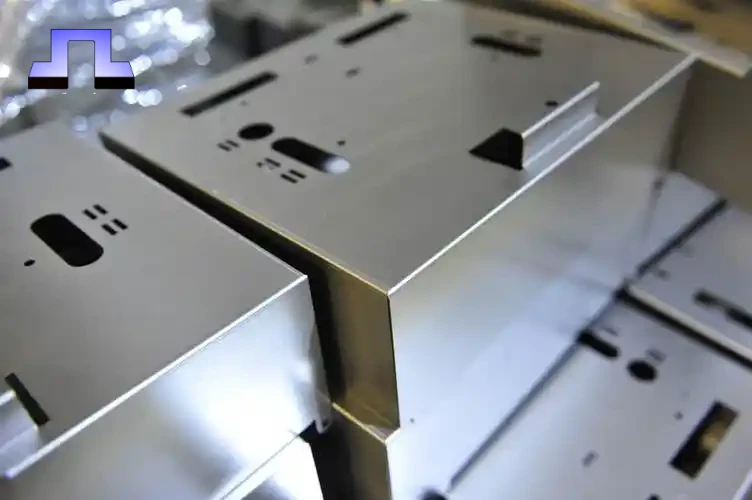
Metal manufacturing processes encompass a variety of technologies and methods used to transform raw materials into finished metal products. These processes play a vital role in various industries, including automotive, aerospace, construction, machinery, and consumer goods. From casting and forging to machining and welding, each metal manufacturing process offers unique advantages and capabilities for shaping, forming, and joining metallic materials. In this article, we will provide a comprehensive overview of common metal manufacturing processes, including their principles, applications, and key considerations.
Casting
Casting is a metal manufacturing process involving pouring molten metal into a mold cavity, where it solidifies to form a specific shape. This process is widely used to produce complex and intricate metal parts with high dimensional accuracy and intricate details. Casting can be divided into several sub-processes, including sand casting, investment casting, die casting, and continuous casting.
Sand Casting: Sand casting is one of the oldest and most widely used casting processes, involving creating a mold cavity using a mixture of sand and binder. Molten metal is poured into the mold cavity, and after solidification, the mold is broken to retrieve the cast metal part. Sand casting is suitable for producing large and heavy parts, such as engine blocks, cylinder heads, and structural components.
Investment Casting: Also known as lost-wax casting, investment casting involves creating a wax model coated with a ceramic shell to form a mold. The wax is then melted and drained, leaving a cavity filled with molten metal. Investment casting is ideal for producing complex and high-precision parts such as turbine blades, jewelry, and dental implants.
Die Casting: Die casting is a process involving injecting molten metal into a steel mold under high pressure. This method is typically used to produce high-volume, dimensionally accurate components with excellent surface finishes. Die casting is widely used in the automotive, electronics, and consumer goods industries for manufacturing components such as housings, brackets, and connectors.
Continuous Casting: Continuous casting is a method for producing long, continuous metal shapes such as billets, slabs, and bars. The process involves pouring molten metal into a water-cooled mold, where it solidifies and is continuously drawn out as a solidified product. Continuous casting is widely used in the steel and aluminum industries for producing semi-finished products for further processing.
Forging: Forging is a metal manufacturing process that involves shaping metal by applying compressive forces. This process is used to produce parts with higher mechanical properties, such as strength, toughness, and fatigue resistance. Forging can be divided into several sub-processes, including free forging, closed-die forging, and cold forging.
Free Forging: Free forging, also known as die forging, involves shaping metal between planar or contoured dies without completely enclosing the workpiece. This process is used to produce large and heavy parts, such as shafts, gears, and flanges, and improves grain structure and mechanical properties.
Closed-Die Forging: Closed-die forging, also known as die forging, involves shaping metal in a set of dies containing cavities that match the desired component shape. This process is used to produce high-precision parts with complex geometries, such as automotive parts, aerospace components, and hand tools.
Cold Forging: Cold forging is a forging process performed at or near room temperature, which improves dimensional accuracy and surface finish. This method is used to produce parts with high strength and tight tolerances, such as fasteners, bolts, and automotive parts.
Machining
Machining is a metal manufacturing process that involves removing material from a workpiece to obtain the desired shape, size, and surface finish. This process is widely used to produce parts with high precision and tight tolerances. Common machining operations include turning, milling, drilling, grinding, and electrical discharge machining (EDM).
Turning: Turning is a machining process that involves rotating a workpiece on a lathe while a cutting tool removes material to create cylindrical parts such as shafts, pins, and bushings.
Milling: Milling is a machining process that involves removing material from a workpiece using a rotating cutting tool to create complex shapes, grooves, and features. This process is used to produce components with complex geometries, such as gears, housings, and brackets.
Drilling: Drilling is a machining process that involves punching holes in a workpiece using a rotating cutting tool. This process is used to produce components with precise hole features, such as engine blocks, cylinder heads, and structural components.
Grinding: Grinding is a machining process that involves removing material from a workpiece using abrasive particles to achieve high surface finishes and dimensional accuracy. This process is used to produce parts with tight tolerances and fine surface finishes, such as bearing races, tooling and mold components, and precision parts.
Electrical Discharge Machining (EDM): EDM is a machining process involving the removal of material from a workpiece using electrical discharge. This process is used to produce components with complex geometries and intricate details, such as injection molds, aerospace components, and medical implants.
Welding
Welding is a metal manufacturing process involving joining two or more metal parts by melting and fusing a substrate. This process is used to form a strong and permanent bond between metal parts. Common welding processes include arc welding, gas welding, resistance welding, and laser welding.
Arc Welding: Arc welding is a welding process involving the use of an electric arc to melt and fuse a substrate, forming a strong and durable weld. This process is widely used for joining structural components, piping, and automotive components.
Gas Welding: Gas welding is a welding process involving the use of a flame produced by burning a mixture of fuel gas and oxygen to melt and fuse a substrate. This process is used to join thin metal sheets, pipes, and tanks.
Resistance Welding: Resistance welding is a welding process involving the application of pressure and the transmission of a high current through a substrate to form a weld joint. This process is used to join sheet metal parts, wiring assemblies, and automotive components.
Laser Welding: Laser welding is a welding process involving the melting and fusing of a substrate using a high-energy laser beam. This process is used to join precision components, medical devices, and electronic components.
Extrusion: Extrusion is a metal manufacturing process involving forcing a metal billet or ingot through a die to form a continuous profile with a specific cross-sectional shape. This process is used to produce components with complex cross-sectional geometries, such as bars, tubes, and structural shapes. Common extrusion processes include hot extrusion, cold extrusion, and hydrostatic extrusion.
Hot Extrusion: Hot extrusion is a process involving heating a metal billet to a high temperature and forcing it through a die to form a continuous profile. This process is used to produce parts with high strength and improved mechanical properties, such as automotive parts, aerospace components, and structural shapes.
Cold Extrusion: Cold extrusion is a process involving shaping a metal billet at or near room temperature to form a continuous profile. This process is used to produce components with higher dimensional accuracy and surface finish, such as fasteners, bolts, and precision parts.
Hydrostatic Extrusion: Hydrostatic extrusion is a process involving using pressurized fluid to force a metal billet through a die to form a continuous profile. This process is used to produce components with complex cross-sectional geometries, such as tubing, pipes, and structural shapes.
Sheet Metal Forming
Sheet metal forming is a metal manufacturing process involving shaping and molding sheet metal into specific components and structures. This process is used to produce components with complex geometries and intricate details, such as automotive body panels, aircraft components, and household appliances. Common sheet metal forming processes include bending, deep drawing, stamping, and roll forming.
Bending: Bending is a sheet metal forming process involving deforming a sheet of metal to form a curved or angular shape. This process is used to produce components with specific geometries, such as brackets, housings, and structural members.
Deep Drawing: Deep drawing is a sheet metal forming process involving using punches and dies to shape a sheet of metal into a three-dimensional shape. This process is used to produce components with complex geometries, such as automotive body panels, kitchen sinks, and appliance housings.
Stamping: Stamping is a sheet metal forming process that involves using a press to cut, bend, and shape a sheet of metal into specific components. This process is used to produce components with complex details and fine features, such as automotive parts, electronic housings, and consumer goods.
Roll forming: Roll forming is a sheet metal forming process that involves passing a sheet of metal through a series of rollers to progressively shape it into a continuous profile. This process is used to produce components with long, continuous shapes, such as roof panels, structural sections, and tubing.
Heat treatment
Heat treatment is a metal manufacturing process that involves heating and cooling metal parts to alter their mechanical properties and microstructure. This process is used to improve the hardness, strength, toughness, and ductility of metal parts. Common heat treatment processes include annealing, quenching, tempering, and surface hardening.
Annealing: Annealing is a heat treatment process that involves heating a metal part to a specific temperature and then slowly cooling it to reduce internal stress and improve its ductility and toughness. This process is used to soften metal parts and improve their machinability and formability.
Quenching: Quenching is a heat treatment process involving the rapid cooling of a metal part from a high temperature to obtain a hardened microstructure, such as martensite. This process is used to improve the hardness and wear resistance of metal parts, such as gears, shafts, and cutting tools.
Tempering: Tempering is a heat treatment process involving reheating a quenched metal part to a specific temperature and then cooling it to improve its toughness and reduce its brittleness. This process is used to balance the hardness and toughness of metal parts, such as tool steels and machine parts.
Surface Hardening: Surface hardening is a heat treatment process involving introducing carbon or nitrogen into the surface layer of a metal part to form a hardened outer shell while maintaining a relatively soft core layer. This process is used to improve the wear resistance and surface hardness of metal parts, such as gears, bearings, and camshafts.
Surface Treatment
Surface treatment is a metal manufacturing process involving coating, electroplating, or surface modification of metal parts to improve their corrosion resistance, wear resistance, and aesthetics. Common surface treatment processes include electroplating, painting, powder coating, anodizing, and thermal spraying.
Electroplating: Electroplating is a surface treatment process involving depositing a thin layer of metal, such as chromium, nickel, or zinc, onto the surface of a metal part to improve its corrosion resistance and aesthetics.
Painting: Painting is a surface treatment process involving applying a paint or enamel protective coating to the surface of a metal part to improve its corrosion resistance and aesthetics.
Powder Coating: Powder coating is a surface treatment process involving applying dry powder to the surface of a metal part and then curing it to form a protective and decorative coating.
Anodizing: Anodizing is a surface treatment process involving forming a controlled oxide layer on the surface of aluminum or its alloys to improve its corrosion resistance and aesthetics.
Thermal Spraying: Thermal spraying is a surface treatment process involving applying a coating of metal, ceramic, or polymer to the surface of a metal part using a high-speed flame or plasma jet.
Joining
Joining is a metal manufacturing process involving joining two or more metal components to create a single integrated structure. Common joining processes include welding, brazing, and adhesive bonding.
Welding: Welding is a joining process involving melting and smelting a substrate to form a strong and permanent bond between metal parts.
Brazing: Brazing is a joining process involving the use of a filler metal with a lower melting point to form a bond between metal parts.
Welding: Welding is a joining process involving the use of a cryogenic alloy to form a bond between metal parts.
Adhesive Bonding: Adhesive bonding is a joining process involving the use of adhesives or glues to form a bond between metal parts.
Conclusion
Metal manufacturing processes encompass a variety of techniques and methods for shaping, forming, joining, and processing metal materials to manufacture finished components and products. From casting and forging to machining and welding, each process offers unique capabilities and advantages for producing parts with specific properties and characteristics. By understanding the principles, applications, and key considerations of common metal manufacturing processes, engineers and manufacturers can optimize the production of metal parts for a wide range of industries, from automotive and aerospace to construction and consumer goods.
Search
Categories List
Need More Details?
Contact me for details on creating and managing design projects, project features, and services and prices
Send Message
Please fill the form correctly to send us your requirement. We respond to all enquiries within 4 business hours.