
NEWS
Professional attitude and strict quality control
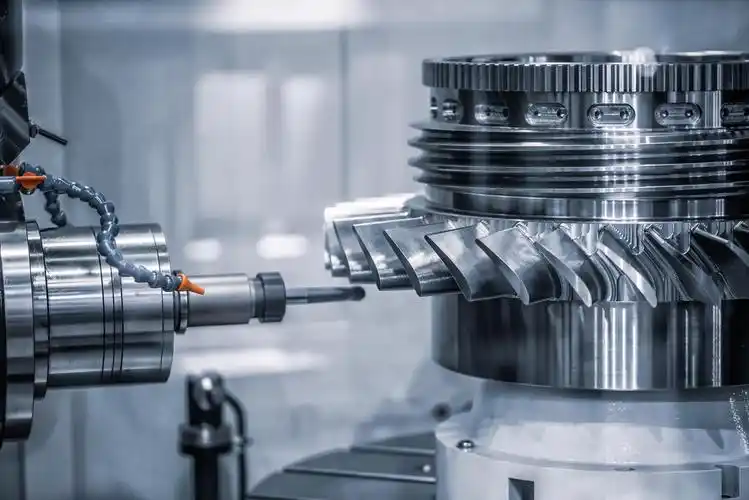
Metalworking is a technological process involving the shaping, joining, and processing of metal materials. It modifies the form or properties of metals to suit the needs of different fields.
In daily life, many items rely on metalworking technology. From household appliances to transportation vehicles, from building structures to mechanical parts, the applications of metalworking are extremely wide.
In the field of metalworking, there are various methods and techniques. These methods each have their own characteristics and are suitable for different scenarios and needs. Below, we will introduce several common metalworking methods and analyze their characteristics.
1. Casting Process
Casting is a processing method that involves pouring molten metal into a mold and allowing it to cool and solidify to obtain the desired shape. This method is suitable for manufacturing parts with complex shapes. During the casting process, the metal fills every corner of the mold in a liquid state, thus forming intricate structural features. Compared to other processing methods, casting can achieve one-step forming, reducing subsequent processing steps. However, castings may contain internal defects, such as porosity or shrinkage cavities, which can affect the mechanical properties of the parts.
2. Forging Process
Forging is a machining method that uses pressure to induce plastic deformation in metal. During forging, the metal is heated to a certain temperature and then its shape is changed by hammering or pressing. Forging can improve the internal structure of metal and enhance its mechanical properties. Compared to casting, forged parts have a denser internal structure and higher strength. However, forging is generally suitable for relatively simple shapes; complex shapes may require multiple forging processes.
3. Machining
Machining is a machining method that uses machine tools to cut, drill, and mill metal to achieve the required dimensions and shapes. This method can achieve high dimensional accuracy and surface quality. Compared to casting and forging, machining is more suitable for small-batch production or parts requiring high precision. However, machining produces chips, resulting in material waste, and its processing efficiency is relatively low.
4. Welding Technology
Welding is a machining method that uses heat or pressure to join separate metal parts into a single unit. Welding can join the same or different metal materials to achieve the manufacture of complex structures. Compared to other connection methods such as riveting, welded joints offer higher strength and a more compact structure. However, stress and deformation can occur during welding, requiring subsequent processing to ensure dimensional accuracy.
5. Surface Treatment
Surface treatment is a process that improves the surface properties of metals through various methods. These include corrosion protection, improved wear resistance, and enhanced appearance. Unlike other processing methods, surface treatment does not change the shape and size of parts, but rather alters their surface characteristics. Appropriate surface treatment can extend the service life of metal products, but it increases production costs.
Regarding the selection of metal materials, different materials possess different characteristics. For example, steel has high strength and hardness, making it suitable for applications bearing heavy loads; aluminum and its alloys are lightweight and have good corrosion resistance, but relatively low strength; copper and its alloys have good electrical conductivity and are commonly used in electrical components. Selecting the appropriate material requires comprehensive consideration of the operating environment, performance requirements, and cost factors.
The development of metal processing technology has also led to advancements in processes. Traditional processing methods are constantly being improved, and new processing technologies are constantly emerging. For example, some new processing methods can better control processing accuracy and improve material utilization. The application of automation technology has improved processing efficiency and reduced the impact of human factors.
Quality control is a crucial aspect of metal processing. By selecting appropriate process parameters and implementing rigorous process control, processing quality can be guaranteed. Inspection methods include dimensional measurement, visual inspection, and performance testing to ensure product compliance.
The development of the metal processing industry is closely related to the manufacturing sector. With technological advancements, processing precision and efficiency are continuously improving, and the processing scope is expanding. The development of new materials has placed new demands on processing technologies, promoting innovation in processing methods.
From an economic perspective, the cost of metal processing includes material costs, equipment investment, energy consumption, and labor costs. The cost structure varies depending on the processing method. For example, casting requires mold making and is suitable for mass production; machining requires larger equipment investments and is suitable for processing high-precision parts. When selecting a processing method, both technical requirements and economic benefits must be comprehensively considered.
Advances in metal processing technology support the development of the manufacturing industry. By continuously improving processing methods and enhancing processing quality, metal processing plays a vital role in various fields. With technological advancements, metal processing will continue to drive innovation and development in the manufacturing industry.
In terms of environmental protection, the metal processing industry is also continuously improving. By optimizing processes, reducing energy consumption and waste generation, more sustainable production methods are being achieved. For example, some processing methods can improve material utilization and reduce waste; wastewater and waste gas treatment technologies are also constantly being improved.
In general, metal processing is a comprehensive technical field involving a variety of processes. Each method has its applicable scenarios and characteristics. Understanding the characteristics of these technologies helps in selecting the appropriate processing method for practical applications. With technological advancements, metal processing technology will continue to develop, providing support to various industries.
Search
Categories List
Need More Details?
Contact me for details on creating and managing design projects, project features, and services and prices
Send Message
Please fill the form correctly to send us your requirement. We respond to all enquiries within 4 business hours.